ICTQual Level 5 Wildlife Photography Field Skills Diploma
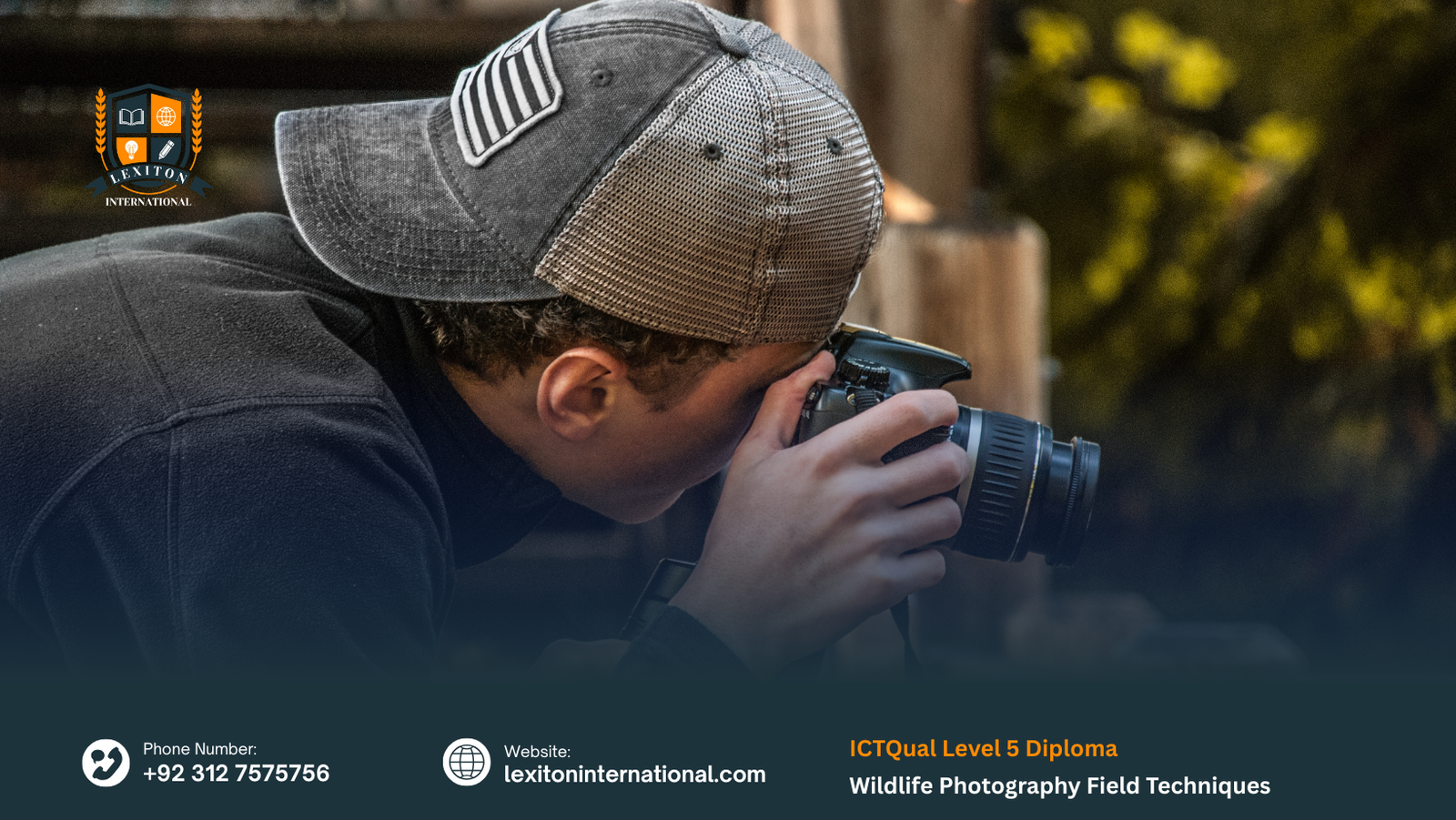
The ICTQual Level 5 Diploma in Wildlife Photography Field Techniques is designed for learners who want to build stronger and more professional skills in capturing nature and wildlife. This course goes beyond basic photography and focuses on improving how you work in real outdoor environments where timing, patience, and observation matter most.
Learners will explore how to plan wildlife shoots, understand animal behaviour, and use natural light in the best way to capture powerful images. It also helps improve field skills such as staying prepared in changing outdoor conditions and choosing the right moments for photography. The aim is to help learners feel more confident while working in natural settings.
This qualification is ideal for those who already have some basic photography knowledge and want to move to a higher level. It supports learners who are interested in wildlife, nature, travel, or outdoor photography as a career or serious hobby. After completing this diploma, learners can progress into advanced photography studies or start working on professional wildlife projects. It also opens opportunities in nature media, freelance photography, and creative content development focused on wildlife and outdoor environments.
- Age Requirement: Learners must be at least 21 years or older at the time of enrollment.
- Educational Background: A basic photography qualification or equivalent knowledge is recommended to support learning at this level.
- Experience: Some prior experience in photography or outdoor shooting is helpful, especially in nature or field settings.
- Language Proficiency: Learners should have good English reading and communication skills to understand instructions and complete course activities effectively.
Mandatory Units
Skills You Will Gain
Wildlife Photography for Scientific Research and Conservation
- Demonstrate the ability to capture images that support ecological documentation and species identification.
- Apply photographic techniques to monitor animal behavior and environmental changes.
- Integrate conservation ethics into photographic practice, ensuring minimal disturbance to wildlife.
- Produce visual records that contribute to scientific research and biodiversity awareness.
- Evaluate the role of photography in promoting conservation campaigns and policy initiatives.
Advanced Fieldwork in Challenging Environments
- Adapt photographic methods to diverse and extreme habitats, including forests, deserts, and wetlands.
- Employ survival and safety strategies during extended fieldwork assignments.
- Manage equipment effectively under variable weather and terrain conditions.
- Demonstrate resilience and problem-solving skills in unpredictable outdoor environments.
- Reflect on field experiences to improve future photographic practice.
Integration of Technology (Drones, GPS, Sensor Cameras)
- Operate drones and sensor-based equipment to capture innovative wildlife perspectives.
- Utilize GPS technology for accurate location tracking and habitat mapping.
- Integrate remote sensing tools into wildlife documentation projects.
- Assess the benefits and limitations of emerging technologies in conservation photography.
- Apply ethical and legal considerations when using advanced photographic technologies.
Cross-Cultural Perspectives in Wildlife Photography
- Analyze cultural attitudes toward wildlife and their influence on photographic representation.
- Demonstrate sensitivity to diverse traditions and ethical practices in global contexts.
- Collaborate with international communities to document wildlife responsibly.
- Compare cross-cultural approaches to conservation media and storytelling.
- Evaluate the impact of cultural diversity on global wildlife photography standards.
Program Evaluation and Impact Assessment through Photography
- Design photographic projects that measure conservation outcomes and community engagement.
- Apply evaluation frameworks to assess the effectiveness of visual campaigns.
- Use photography as evidence to support conservation impact reports.
- Critically analyze the strengths and weaknesses of photographic documentation in program assessment.
- Communicate findings through professional reports and visual presentations.
Leadership in Wildlife Photography Projects
- Demonstrate project management skills in planning and executing wildlife photography initiatives.
- Lead teams effectively in fieldwork and conservation media projects.
- Apply communication strategies to engage stakeholders and promote conservation goals.
- Develop leadership qualities that inspire ethical and professional practice.
- Evaluate personal leadership performance to support continuous improvement.
The ICTQual Level 5 Diploma in Wildlife Photography Field Techniques is designed for learners who already have a basic understanding of photography and want to take their skills further in outdoor and wildlife settings. It is ideal for those who are serious about improving their ability to capture nature in a more professional and confident way.
Who Is This Course For
- Learners who already have basic photography knowledge and want to advance their skills.
- Hobby photographers looking to turn their interest in wildlife photography into a stronger skill set.
- Nature lovers who enjoy spending time outdoors capturing animals and landscapes.
- Students aiming to build a career in photography or creative media fields.
- Travel photographers who want to improve their field shooting techniques.
- Freelancers who want to offer wildlife or outdoor photography services.
- Individuals planning to move towards professional wildlife photography work.
The ICTQual Level 5 Diploma in Wildlife Photography Field Techniques helps learners build strong practical skills for working in outdoor and wildlife photography. It supports career growth into more advanced creative roles where field experience and professional image quality are important.
Future Progression
- Professional wildlife photography roles focused on field-based shooting work
- Career opportunities in photography, media production, and visual content creation
- Specialised work in nature, wildlife, and outdoor landscape photography projects
- Roles involving photo editing, image enhancement, and visual storytelling
- Freelance wildlife photography assignments and client-based creative work
- Opportunities in travel, tourism, and nature-focused content creation industries
- Work with media organisations, wildlife projects, and creative production teams
Curious About This Course?