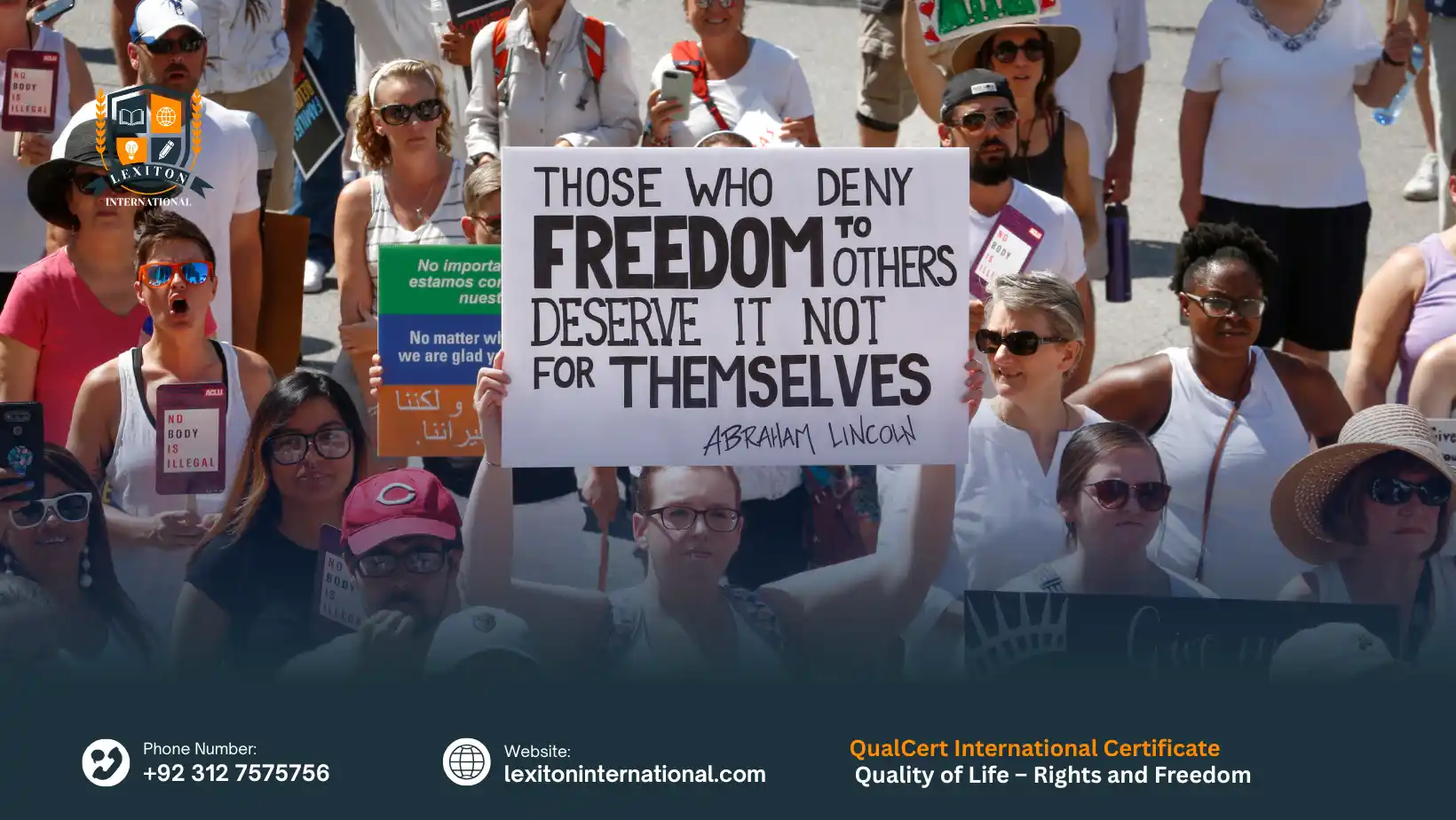
QualCert Certificate in Quality of Life Rights
The QualCert International Certificate in Quality of Life – Rights and Freedoms is a professionally designed qualification that focuses on improving human well-being, dignity, equality, and personal freedom in society. Quality of Life – Rights and Freedoms refers to the basic rights, opportunities, and living standards that allow individuals to live safely, respectfully, and independently without discrimination or unfair treatment. This course helps learners understand the importance of protecting human rights, promoting inclusion, and supporting individuals in different social, educational, healthcare, and workplace environments. It provides internationally recognised knowledge for individuals who want to contribute positively to communities and organisations.
This qualification introduces learners to the core principles of rights, freedoms, equality, diversity, inclusion, and ethical responsibility. Students will explore how these principles affect people’s daily lives, workplaces, public services, and community settings. The course also explains how to create respectful and supportive environments where individuals feel valued, protected, and empowered. Using clear and easy-to-understand language, the programme is suitable for both beginners and professionals who want to improve their understanding of social responsibility and human welfare practices.
The QualCert International Certificate in Quality of Life – Rights and Freedoms supports progression into careers related to health and social care, education, counselling, public services, community support, and organisational development. It also helps learners build important professional skills such as communication, ethical decision-making, teamwork, and problem-solving. This internationally valued qualification can improve career opportunities, support further education, and prepare learners to work effectively in roles that promote equality, respect, and quality of life for individuals and communities.
- Minimum Age: Learners must be at least 16+ years old at the time of enrolment due to the technical and safety-focused nature of the course.
- Educational Background: Applicants should have a basic secondary school education or an equivalent qualification. No advanced qualifications are required for admission.
- Language Proficiency: Learners are required to have a good command of English.
- Work Experience: No prior work experience is required. This course is suitable for beginners as well as individuals already working in education, healthcare, community services, or social support sectors.
Mandatory Units
Skills You Will Gain
Principles of Rights and Freedoms in Quality of Life
- Understand the fundamental principles of rights, freedoms, equality, and human dignity.
- Explain the importance of rights and freedoms in improving quality of life and well-being.
- Identify the role of inclusion, diversity, and non-discrimination in society.
- Recognise ethical responsibilities in supporting individuals’ rights and personal choices.
- Demonstrate awareness of legal and social frameworks related to human rights and freedoms.
Advanced Applications of Rights and Freedoms in Social and Organisational Contexts
- Apply rights and freedoms principles within social, community, and organisational environments.
- Evaluate strategies for promoting equality, inclusion, and respectful practices in organisations.
- Analyse challenges that may affect individuals’ rights and quality of life in professional settings.
- Develop approaches to support ethical decision-making and fair treatment in workplaces and communities.
- Demonstrate the ability to promote positive social change through rights-based practices and policies.
The QualCert International Certificate in Quality of Life – Rights and Freedoms is designed for individuals who want to develop a strong understanding of human rights, equality, inclusion, and ethical responsibility in personal and professional settings. This course is suitable for learners from different educational and career backgrounds who are interested in promoting fairness, dignity, and positive social values within communities and organisations.
Who Is this for
- Learners interested in human rights, equality, and inclusion
- Professionals working in health, social care, or community services
- Teachers, trainers, and education support staff
- Individuals planning careers in counselling, welfare, or public services
- Managers and team leaders promoting ethical workplace practices
- Anyone seeking personal or professional development in quality of life and freedoms
This course provides valuable knowledge and practical understanding for individuals who want to support fairness, dignity, and inclusion in society. It also helps learners develop professional skills and prepares them for further education and career opportunities in social, educational, healthcare, and organisational sectors.
The QualCert International Certificate in Quality of Life – Rights and Freedoms provides learners with a strong foundation for further academic and professional development in social, educational, healthcare, and community-focused sectors. The qualification develops essential knowledge related to human rights, inclusion, equality, ethical practices, and quality of life, helping learners progress into higher-level studies and a wide range of career opportunities. It also supports the development of transferable skills valued in modern workplaces and public service environments.
Future Progression
- Continue studies in human rights, sociology, or community development
- Build a career in counselling, social support, or welfare services
- Progress into education, training, or youth support roles
- Develop opportunities in public services and non-government organisations
- Enhance professional skills for leadership and organisational development
This qualification can open pathways to career advancement by improving learners’ understanding of rights-based practices and ethical responsibility. It prepares individuals to work confidently in diverse professional settings while supporting equality, dignity, inclusion, and positive social impact within communities and organisations.
Curious About This Course?