
Lesson 8: Apply advanced project planning techniques to electrical QA/QC activities.
Continuous improvement is a defining characteristic of high-performing electrical Quality Assurance and Quality Control (QA/QC) systems. As electrical engineering projects become increasingly complex, organisations must regularly evaluate the effectiveness of their quality management processes and use performance data to identify opportunities for improvement. Experienced Senior Chartered Electrical Engineers (CEng) and Senior Electrical QA/QC Engineers recognise that well-informed recommendations based on measurable quality performance not only improve compliance and operational efficiency but also enhance project reliability, safety, and long-term asset performance. An evidence-based approach ensures that quality systems remain responsive to evolving project requirements, industry standards, and client expectations.
Performance data serves as a valuable source of information for assessing the strengths and weaknesses of existing quality systems. Records generated from inspections, testing and commissioning activities, audits, Non-Conformance Reports (NCRs), corrective and preventive actions (CAPA), supplier evaluations, customer feedback, and Key Performance Indicators (KPIs) enable quality professionals to measure system effectiveness and identify recurring issues. By analysing trends, investigating root causes, and evaluating the impact of previous improvement initiatives, organisations can make informed decisions that strengthen quality processes, minimise defects, reduce operational risks, and improve overall project performance.
This lesson examines advanced techniques for recommending improvements to existing electrical QA/QC systems using performance data and objective quality evidence. Learners will explore methods for evaluating quality performance, interpreting key metrics, conducting root cause analysis, benchmarking organisational performance, and developing practical recommendations that support continual improvement. These professional practices equip learners with the knowledge and analytical skills required to enhance quality management systems, improve audit readiness, optimise engineering processes, and contribute to the successful delivery of safe, compliant, and high-quality electrical engineering projects.
1. Critically Interpret Complex Performance Data Gathered from Active Electrical Quality Systems
Modern electrical engineering projects rely on robust Quality Assurance and Quality Control (QA/QC) systems to ensure that every stage of the project is completed safely, efficiently, and in accordance with approved quality standards. Throughout the project lifecycle, these systems continuously generate large volumes of performance data from inspections, testing, audits, commissioning activities, Non-Conformance Reports (NCRs), corrective actions, supplier evaluations, and quality monitoring processes. Rather than viewing these records as simple project documentation, experienced Senior Chartered Electrical Engineers (CEng) and Senior Electrical QA/QC Engineers recognise performance data as a strategic resource for evaluating system effectiveness, improving engineering performance, and supporting continual quality improvement.
The ability to critically interpret performance data enables organisations to move beyond reactive problem-solving towards proactive quality management. Instead of merely identifying defects after they occur, engineers analyse quality trends, recognise recurring issues, evaluate process capability, and recommend improvements before problems affect project delivery. This analytical approach strengthens compliance, reduces operational risks, enhances reliability, and improves stakeholder confidence throughout the electrical project lifecycle.
This section explains the importance of complex performance data within active electrical quality systems, identifies its major sources, examines its characteristics, and demonstrates how structured interpretation supports informed engineering decisions and continuous quality improvement.
Understanding Performance Data in Electrical QA/QC Systems
Performance data refers to the measurable information collected during quality assurance and quality control activities to evaluate whether electrical engineering processes are achieving their planned objectives. It provides factual evidence that engineering activities have been carried out according to approved specifications, contractual requirements, regulatory obligations, and organisational quality procedures.
Unlike general project records, performance data focuses specifically on quality performance and process effectiveness. It enables engineers to measure how well quality systems operate and identify areas requiring improvement.
Performance data is generated throughout every stage of an electrical project, including:
- Engineering design reviews
- Procurement inspections
- Material verification
- Installation inspections
- Electrical testing
- Commissioning activities
- Internal quality audits
- External client audits
- Corrective and preventive actions
- Final project handover
Each source contributes valuable information that allows organisations to evaluate both individual engineering activities and the overall effectiveness of the quality management system.
Definition of Complex Performance Data
Complex performance data consists of multiple interrelated quality measurements collected from different project activities over time. Rather than relying on a single inspection result or test record, engineers analyse numerous data sources together to understand the complete quality picture.
Complex performance data commonly includes:
- Inspection pass and fail rates
- Electrical testing results
- Equipment performance records
- Material acceptance reports
- Supplier quality evaluations
- Audit findings
- Non-Conformance Reports (NCRs)
- Corrective and Preventive Action (CAPA) records
- Commissioning reports
- Customer feedback
- Quality Key Performance Indicators (KPIs)
By combining these data sources, engineers gain a more accurate understanding of project performance and quality trends.
Importance of Performance Data in Active Electrical Quality Systems
Performance data forms the foundation of effective quality management because it provides objective evidence rather than assumptions or opinions.
It enables organisations to:
- Measure compliance with project specifications.
- Monitor the effectiveness of QA/QC procedures.
- Evaluate contractor performance.
- Assess supplier quality.
- Detect recurring engineering problems.
- Improve decision-making.
- Strengthen regulatory compliance.
- Support continual improvement programmes.
Without reliable performance data, quality decisions become subjective and may fail to address the true causes of engineering problems.
Objectives of Analysing Performance Data
The purpose of performance data analysis extends beyond identifying individual defects. It supports strategic quality management by helping organisations continuously improve engineering processes.
The main objectives include:
Measuring Quality Performance
Performance data allows organisations to compare actual project performance against planned quality objectives.
Examples include:
- Inspection acceptance rates.
- Testing completion percentages.
- Audit compliance scores.
- Number of NCRs raised.
- Corrective action closure rates.
Identifying Performance Trends
Trend analysis helps engineers recognise whether quality performance is improving or deteriorating over time.
Trend monitoring can identify:
- Increasing installation defects.
- Repeated testing failures.
- Declining inspection pass rates.
- Improving supplier performance.
- Reduced commissioning delays.
Recognising these trends early enables proactive corrective action before significant project risks develop.
Supporting Engineering Decision-Making
Quality decisions should always be supported by objective evidence.
Performance data enables engineers to:
- Prioritise quality improvements.
- Allocate inspection resources.
- Evaluate contractor performance.
- Review supplier capability.
- Recommend process improvements.
This evidence-based approach improves engineering confidence while reducing project uncertainty.
Characteristics of Reliable Performance Data
Not all information collected during a project is suitable for technical decision-making. High-quality performance data possesses several essential characteristics.
Accuracy
Performance data must accurately represent actual engineering activities and site conditions.
Accurate information includes:
- Correct inspection findings.
- Verified measurement values.
- Accurate equipment identification.
- Proper testing results.
- Confirmed engineering observations.
Accurate records reduce engineering errors and improve technical reliability.
Completeness
Quality records should contain sufficient information to fully describe each activity.
Complete records normally include:
- Project reference.
- Equipment identification.
- Inspection date.
- Responsible personnel.
- Test results.
- Approval status.
- Supporting evidence.
Incomplete records reduce traceability and weaken quality investigations.
Consistency
Information should be recorded using approved formats and standard terminology.
Consistency is achieved through:
- Standard inspection templates.
- Approved reporting procedures.
- Common engineering terminology.
- Standard measurement units.
- Controlled document formats.
Consistent information improves reporting accuracy and allows meaningful comparison between projects.
Timeliness
Performance data should be recorded immediately after inspections, testing, or verification activities.
Timely documentation provides several advantages:
- Faster response to quality issues.
- Improved reporting accuracy.
- Better project monitoring.
- Reduced information loss.
- Improved management visibility.
Reliability
Reliable data can be trusted for technical evaluation and future engineering decisions.
Reliable information is:
- Verified.
- Traceable.
- Authorised.
- Protected against unauthorised modification.
- Supported by objective evidence.
Reliable data forms the basis of professional QA/QC management.
Major Sources of Performance Data
Active electrical quality systems continuously collect information from numerous operational processes.
The most significant sources include:
Inspection Records
Inspection activities verify that installations comply with approved engineering requirements.
Inspection records typically include:
- Visual inspections.
- Installation quality assessments.
- Equipment condition reports.
- Workmanship verification.
- Compliance observations.
Electrical Testing Records
Testing activities confirm that electrical systems perform safely and effectively before energisation.
Examples include:
- Insulation resistance testing.
- Earth continuity testing.
- Earth resistance measurements.
- Functional testing.
- Protection relay testing.
- Circuit breaker testing.
Testing records provide objective evidence that electrical installations meet specified technical requirements.
Audit Reports
Internal and external audits evaluate the effectiveness of the quality management system.
Audit reports identify:
- Areas of conformity.
- Non-conformities.
- Opportunities for improvement.
- Documentation weaknesses.
- Process effectiveness.
Audit findings provide valuable information for improving quality performance.
Non-Conformance Reports (NCRs)
NCRs record situations where quality requirements have not been achieved.
Typical NCR information includes:
- Description of the defect.
- Location of occurrence.
- Root cause.
- Responsible organisation.
- Corrective actions.
- Verification status.
Analysis of NCR trends enables engineers to reduce recurring quality failures.
Table : Major Sources of Performance Data in Active Electrical QA/QC Systems
| Performance Data Source | Definition | Practical Application | Primary Benefit |
|---|---|---|---|
| Inspection Records | Documentation of inspection findings | Verifying installation quality | Confirms compliance with specifications |
| Testing Records | Technical measurements from electrical testing | Commissioning and performance verification | Demonstrates system safety and functionality |
| Audit Reports | Results of internal and external quality audits | Evaluating QA/QC system effectiveness | Identifies improvement opportunities |
| Non-Conformance Reports (NCRs) | Records of quality deviations | Managing defects and corrective actions | Prevents recurrence of quality issues |
| Corrective & Preventive Actions (CAPA) | Documentation of improvement activities | Monitoring implementation of improvements | Strengthens continual improvement |
Practical Workplace Example
A large industrial electrical installation project is approaching its commissioning phase. Weekly QA/QC reports indicate that the overall inspection pass rate has declined from 97% to 89% over four consecutive weeks. At the same time, the number of Non-Conformance Reports related to cable termination quality has increased significantly, while supplier material acceptance rates remain consistently high.
Rather than treating each issue individually, the Senior Electrical QA/QC Engineer reviews inspection reports, testing records, NCRs, contractor performance data, and corrective action histories collectively. The analysis reveals that most workmanship defects originate from one installation team working under accelerated project deadlines.
Based on this performance data, management introduces targeted competency training, increases supervisory inspections, revises inspection hold points, and strengthens quality verification procedures. Within several weeks, inspection pass rates improve, the number of NCRs decreases, and commissioning progresses without further quality-related delays. This demonstrates how critical interpretation of performance data enables informed engineering decisions, supports proactive quality management, and drives continual improvement.
Critical Interpretation Techniques for Complex Performance Data
Collecting quality performance data is only the first step in an effective Quality Assurance and Quality Control (QA/QC) system. The real value lies in the ability to interpret that data accurately and convert it into practical improvements that enhance quality performance and reduce project risks. Active electrical quality systems continuously generate large amounts of information from inspections, testing, audits, commissioning activities, supplier evaluations, and corrective actions. By critically analysing these records, experienced Senior Chartered Electrical Engineers (CEng) and Senior Electrical QA/QC Engineers can identify performance trends, recognise underlying causes of quality issues, evaluate process effectiveness, and implement targeted improvement strategies.
Critical interpretation requires more than reviewing individual reports. It involves comparing historical and current performance data, evaluating relationships between different quality indicators, assessing operational risks, and determining whether existing quality controls remain effective. This analytical approach transforms raw information into strategic knowledge that supports informed engineering decisions and continual improvement.
Performance Trend Analysis
Trend analysis is one of the most effective techniques for interpreting complex quality performance data. Instead of focusing on isolated quality incidents, engineers evaluate performance over weeks, months, or project phases to identify recurring patterns.
Performance trends may indicate:
- Improving inspection pass rates.
- Increasing numbers of Non-Conformance Reports (NCRs).
- Declining supplier performance.
- Repeated testing failures.
- Recurring commissioning delays.
- Frequent document control errors.
- Improvements following corrective actions.
Trend analysis enables engineers to determine whether quality performance is improving, remaining stable, or deteriorating.
Benefits of Trend Analysis
- Identifies recurring quality problems.
- Supports proactive decision-making.
- Measures the effectiveness of quality improvements.
- Assists resource planning.
- Reduces project risks.
- Improves forecasting of future quality performance.
Root Cause Analysis
When quality issues continue to occur despite corrective actions, engineers must investigate the underlying causes rather than simply correcting the visible defects.
Root Cause Analysis (RCA) identifies the fundamental reasons why quality problems occur.
Common root causes include:
- Inadequate training.
- Incorrect installation procedures.
- Poor supervision.
- Design errors.
- Material defects.
- Equipment calibration issues.
- Ineffective inspection processes.
- Weak document control.
Rather than replacing defective equipment repeatedly, engineers investigate why failures continue to occur and implement permanent corrective actions.
Typical Root Cause Analysis Process
- Identify the quality problem.
- Collect supporting performance data.
- Analyse contributing factors.
- Determine the root cause.
- Develop corrective actions.
- Verify effectiveness.
- Monitor future performance.
This systematic approach reduces repeated failures and strengthens continual improvement.
Evaluating Key Performance Indicators (KPIs)
Key Performance Indicators provide measurable evidence of how effectively an electrical quality management system is performing.
Common QA/QC KPIs include:
- Inspection pass rate.
- First-time acceptance rate.
- Number of NCRs.
- Corrective action closure time.
- Audit compliance score.
- Testing completion percentage.
- Supplier acceptance rate.
- Commissioning success rate.
- Customer satisfaction level.
- Rework percentage.
Rather than reviewing individual KPI values, engineers evaluate their relationships.
For example:
- Increasing NCRs combined with declining inspection pass rates may indicate workmanship problems.
- High supplier rejection rates may suggest procurement quality issues.
- Delayed corrective action closure may increase project risks.
KPI interpretation supports evidence-based engineering decisions and helps organisations prioritise improvement activities.
Risk-Based Interpretation of Performance Data
Not every quality issue has the same impact on project success. Risk-based interpretation helps engineers prioritise issues according to their potential consequences.
Factors considered include:
- Safety implications.
- Impact on electrical system reliability.
- Regulatory compliance.
- Client requirements.
- Operational continuity.
- Financial consequences.
- Likelihood of recurrence.
High-risk quality issues require immediate investigation and corrective action, while lower-risk observations may be monitored over time.
This approach ensures that engineering resources are focused on activities that provide the greatest benefit.
Statistical Interpretation of Quality Data
Large electrical projects generate thousands of inspection and testing records. Statistical analysis enables engineers to identify meaningful patterns that may not be visible when reviewing individual reports.
Statistical interpretation includes analysing:
- Average inspection performance.
- Percentage compliance.
- Failure frequency.
- Defect distribution.
- Supplier performance comparisons.
- Monthly quality trends.
- Corrective action effectiveness.
Statistical interpretation provides objective evidence for management reviews and supports continual improvement planning.
Integrating Multiple Data Sources
Complex quality decisions should never rely on a single source of information.
Professional QA/QC engineers combine information from multiple sources, including:
- Inspection reports.
- Electrical testing records.
- Audit findings.
- NCRs.
- CAPA records.
- Supplier evaluations.
- Calibration certificates.
- Commissioning reports.
- Customer feedback.
Integrating these records provides a comprehensive understanding of project performance and improves the accuracy of engineering decisions.
Table 2: Performance Data Interpretation Techniques
| Interpretation Technique | Purpose | Electrical QA/QC Application | Primary Benefit |
|---|---|---|---|
| Trend Analysis | Identify recurring performance patterns | Monitoring inspection and testing results | Supports proactive quality improvement |
| Root Cause Analysis | Determine underlying causes of quality issues | Investigating repeated defects | Prevents recurrence |
| KPI Evaluation | Measure achievement of quality objectives | Assessing inspection, audit, and testing performance | Improves management decision-making |
| Risk-Based Assessment | Prioritise quality issues by severity | Managing safety-critical electrical systems | Reduces operational risk |
| Statistical Analysis | Evaluate large volumes of performance data | Identifying quality trends and process capability | Improves performance forecasting |
Practical Case Study
A large electrical infrastructure project involved installing high-voltage switchgear, underground cable networks, and protection systems across multiple substations. During monthly quality reviews, the QA/QC department observed several concerning trends.
Performance data showed:
- Inspection pass rates had fallen from 98% to 90% over two months.
- NCRs relating to cable terminations had increased by 35%.
- Corrective actions were taking longer to close.
- One contractor accounted for most workmanship-related defects.
- Testing completion rates remained satisfactory.
Instead of increasing inspections across the entire project, the Senior Electrical QA/QC Engineer analysed all available quality records, contractor performance reports, inspection histories, and training records.
The investigation identified:
- Newly recruited technicians lacked sufficient competency.
- Site supervision had been reduced due to programme acceleration.
- Installation procedures were not being followed consistently.
- Existing inspection hold points were insufficient for high-risk activities.
Based on these findings, the organisation implemented several improvements:
- Competency refresher training.
- Enhanced supervision for critical installations.
- Additional inspection hold points.
- Updated installation procedures.
- Weekly KPI monitoring.
- Improved contractor performance reviews.
Within six weeks:
- Inspection pass rates increased to 97%.
- NCRs reduced significantly.
- Corrective actions closed within planned timescales.
- Commissioning activities progressed without major quality delays.
- Client confidence improved during final audits.
This example demonstrates how critical interpretation of performance data enables engineers to identify root causes, implement targeted improvements, and strengthen the overall effectiveness of electrical quality systems.
Key Benefits of Critical Performance Data Interpretation
Effective interpretation of complex performance data provides numerous organisational advantages.
Major benefits include:
- Improves engineering decision-making.
- Strengthens quality management systems.
- Supports continual improvement.
- Enhances regulatory compliance.
- Reduces project risks.
- Improves electrical system reliability.
- Identifies recurring quality issues.
- Improves contractor performance monitoring.
- Strengthens supplier quality management.
- Supports successful audits.
- Improves commissioning readiness.
- Enhances client confidence.
- Reduces rework and project delays.
- Optimises resource allocation.
- Improves long-term asset performance.
Common Challenges and Practical Solutions
Challenge: Large Volumes of Quality Data
Large infrastructure projects generate thousands of records, making manual analysis difficult.
Solution
- Implement digital Quality Management Systems (QMS).
- Use structured databases.
- Apply automated reporting tools.
Challenge: Poor Data Quality
Incorrect or incomplete records reduce confidence in performance analysis.
Solution
- Standardise documentation.
- Improve data validation.
- Conduct regular quality reviews.
Challenge: Multiple Contractors Using Different Systems
Different reporting methods reduce consistency.
Solution
- Standardise reporting templates.
- Establish common quality procedures.
- Use centralised document management.
Challenge: Delayed Corrective Actions
Quality improvements become ineffective if corrective actions remain open.
Solution
- Monitor corrective action KPIs.
- Assign clear responsibilities.
- Perform regular follow-up reviews.
Best Practices for Interpreting Performance Data
Experienced electrical QA/QC professionals recommend the following practices:
- Analyse multiple quality indicators together rather than individually.
- Base engineering decisions on objective evidence.
- Review quality trends regularly.
- Verify data accuracy before analysis.
- Integrate inspections, testing, audits, and NCR information.
- Monitor KPI performance continuously.
- Prioritise high-risk quality issues.
- Evaluate the effectiveness of corrective actions.
- Encourage continual improvement through regular management reviews.
- Maintain complete and traceable quality records.
Conclusion
Critical interpretation of complex performance data is a fundamental capability within advanced electrical Quality Assurance and Quality Control systems. Active quality systems generate valuable information through inspections, testing, audits, commissioning activities, Non-Conformance Reports, corrective actions, and performance indicators. When analysed systematically, this information provides meaningful insights into process effectiveness, regulatory compliance, operational risks, and opportunities for continual improvement.
Experienced Senior Chartered Electrical Engineers (CEng) and Senior Electrical QA/QC Engineers use structured analytical techniques such as trend analysis, Root Cause Analysis (RCA), KPI evaluation, statistical assessment, and risk-based decision-making to transform raw quality data into strategic engineering knowledge. By interpreting performance information critically rather than simply collecting it, organisations can identify recurring issues, implement targeted improvements, strengthen quality management systems, improve audit readiness, enhance electrical system reliability, and deliver safer, more efficient, and fully compliant electrical engineering projects. This evidence-based approach ensures that quality systems continue to evolve, supporting long-term operational excellence and sustainable project success.
2. Identify the Root Causes of Quality Inefficiencies Within Environments That Have Many Interacting Factors
Electrical engineering projects involve highly interconnected systems where multiple technical, operational, organisational, and human factors influence overall quality performance. In complex electrical QA/QC environments, quality inefficiencies rarely occur because of a single isolated issue. Instead, they usually develop through the interaction of several contributing factors, including design limitations, ineffective processes, supplier issues, communication failures, inadequate resources, documentation weaknesses, installation practices, and changing project conditions.
Identifying the root causes of quality inefficiencies is a critical activity within advanced Quality Assurance and Quality Control (QA/QC) management. Effective root cause identification enables organisations to move beyond treating symptoms and focus on eliminating the underlying factors responsible for repeated quality failures. This approach supports continual improvement, reduces rework, improves compliance, enhances electrical system reliability, and strengthens overall project performance.
In electrical engineering projects, quality inefficiencies may appear through increasing Non-Conformance Reports (NCRs), repeated inspection failures, commissioning delays, testing failures, material rejection, documentation errors, or customer complaints. However, these visible problems are often only the result of deeper process weaknesses. Professional quality management requires systematic investigation techniques to determine why failures occur and what corrective actions will provide sustainable improvement.
A structured root cause analysis approach allows engineering teams to evaluate complex relationships between people, processes, technology, materials, equipment, and external factors. By understanding these interactions, organisations can develop effective solutions that improve existing quality systems and prevent future recurrence of similar issues.
Understanding Quality Inefficiencies in Electrical QA/QC Systems
Definition of Quality Inefficiency
Quality inefficiency refers to any condition, process weakness, or operational issue that prevents an electrical engineering project from achieving planned quality objectives effectively and efficiently.
Quality inefficiencies may result in:
- Increased project costs.
- Delayed project completion.
- Excessive rework.
- Reduced productivity.
- Repeated defects.
- Compliance risks.
- Safety concerns.
- Reduced client satisfaction.
In electrical QA/QC environments, inefficiencies often occur when existing processes fail to identify, control, or prevent quality problems.
Examples include:
- Repeated cable installation defects due to inadequate installation procedures.
- Testing failures caused by incorrect equipment calibration.
- Delayed approvals due to ineffective document control.
- Material rejection due to poor supplier verification.
- Commissioning delays caused by incomplete inspection records.
Key Concept of Root Cause Identification
What Is Root Cause Analysis?
Root Cause Analysis (RCA) is a structured problem-solving method used to identify the fundamental reasons behind quality failures rather than focusing only on visible symptoms.
The purpose of RCA is to determine:
- What happened?
- Why did it happen?
- Which factors contributed to the problem?
- How can recurrence be prevented?
A successful root cause analysis identifies causes that can be controlled and improved through corrective and preventive actions.
For example:
Problem: Multiple electrical cable termination failures during commissioning.
A basic response may involve replacing defective terminations.
A root cause approach investigates:
- Was the correct installation method followed?
- Were technicians properly trained?
- Were approved tools used?
- Were inspection points adequate?
- Were environmental conditions suitable?
- Were materials compliant with specifications?
This deeper investigation identifies the actual cause rather than only correcting the immediate failure.
Importance of Identifying Root Causes in Electrical Quality Management
Preventing Repeated Quality Failures
One of the main purposes of root cause analysis is preventing the same problem from occurring repeatedly.
Without identifying underlying causes, organisations may continue applying temporary solutions that do not improve system performance.
Root cause identification helps organisations:
- Eliminate recurring defects.
- Improve installation practices.
- Strengthen quality procedures.
- Reduce corrective action frequency.
- Improve project reliability.
Improving Decision-Making Through Evidence
Quality improvement decisions should be based on factual information rather than assumptions.
Root cause analysis uses evidence from:
- Inspection records.
- Testing results.
- Audit findings.
- NCR reports.
- Supplier records.
- Project documentation.
- Personnel feedback.
This evidence-based approach allows engineering teams to develop accurate solutions.
Reducing Project Risks
Quality inefficiencies can create significant technical and operational risks.
Examples include:
- Electrical system failures.
- Safety incidents.
- Equipment damage.
- Delayed energisation.
- Contractual disputes.
Identifying root causes allows organisations to implement preventive measures before failures affect project outcomes.
Complex Environments With Multiple Interacting Factors
Understanding Interacting Factors in Electrical Projects
Electrical projects involve many interconnected elements that influence quality performance. A failure in one area may create problems in another area.
For example:
A design change may affect:
- Material selection.
- Installation procedures.
- Testing requirements.
- Documentation updates.
- Commissioning activities.
Similarly, poor communication between engineering teams and contractors may result in:
- Incorrect installation.
- Missing approvals.
- Testing failures.
- Additional rework.
Therefore, quality inefficiencies must be analysed by considering the complete system rather than individual problems.
Major Factors Contributing to Quality Inefficiencies
Design and Engineering Factors
Design-related issues can significantly influence construction and operational quality.
Common design-related causes include:
- Incomplete engineering information.
- Conflicting drawings.
- Incorrect technical specifications.
- Late design modifications.
- Insufficient design reviews.
These issues may result in:
- Installation errors.
- Material incompatibility.
- Project delays.
- Increased rework.
Effective design control and technical review processes help reduce these risks.
Process and Procedure Factors
Quality processes provide the framework for controlling project activities. Weak processes often create repeated inefficiencies.
Process-related causes include:
- Poor inspection procedures.
- Unclear responsibilities.
- Inadequate quality plans.
- Missing inspection hold points.
- Ineffective corrective action processes.
Improving processes requires:
- Reviewing existing procedures.
- Identifying process gaps.
- Updating quality documentation.
- Training personnel.
- Monitoring effectiveness.
Human Factors
People play a major role in electrical quality performance. Even well-designed systems can fail if personnel lack appropriate skills, awareness, or communication.
Human-related causes include:
- Insufficient training.
- Lack of technical competency.
- Poor communication.
- Failure to follow procedures.
- Inadequate supervision.
Improvement strategies include:
- Competency assessments.
- Technical training programmes.
- Clear work instructions.
- Improved supervision.
- Regular quality awareness sessions.
Material and Supplier Factors
Electrical projects depend heavily on reliable materials and approved suppliers.
Supplier-related quality inefficiencies may occur due to:
- Incorrect material specifications.
- Poor supplier evaluation.
- Missing certificates.
- Manufacturing defects.
- Inadequate delivery inspections.
Effective supplier quality management includes:
- Supplier qualification.
- Material approval processes.
- Factory inspections.
- Certificate verification.
- Incoming material checks.
Root Cause Analysis Process in Electrical QA/QC
Step 1: Identify the Quality Problem
The first step is clearly defining the issue.
A problem statement should include:
- What happened?
- Where did it occur?
- When did it occur?
- What equipment or process was affected?
- What was the impact?
Example:
“Five installed circuit breakers failed functional testing during commissioning due to incorrect operational response.”
Step 2: Collect Relevant Performance Data
Reliable analysis requires accurate information.
Data sources may include:
- Inspection reports.
- Test certificates.
- NCR records.
- Audit reports.
- Installation records.
- Equipment history.
Collected data should be verified before analysis.
Step 3: Analyse Contributing Factors
Engineers evaluate all possible factors influencing the problem.
Areas of investigation include:
- People.
- Processes.
- Materials.
- Equipment.
- Environment.
- Management systems.
This prevents focusing on only one possible cause.
Step 4: Determine the Root Cause
After analysing contributing factors, the team identifies the fundamental reason behind the failure.
Common RCA techniques include:
- 5 Whys Analysis.
- Fishbone Diagram.
- Fault Tree Analysis.
- Failure Mode and Effects Analysis (FMEA).
These methods help identify relationships between different causes.
Table : Common Root Causes of Electrical QA/QC Inefficiencies
| Root Cause Category | Definition | Typical Electrical QA/QC Example | Improvement Approach |
|---|---|---|---|
| Design Factors | Issues related to engineering design information | Incorrect drawings or incomplete specifications | Improve design review and approval processes |
| Process Factors | Weaknesses in quality procedures | Missing inspection checkpoints | Update QA/QC procedures |
| Human Factors | Issues related to skills and communication | Technician competency gaps | Provide training and supervision |
| Material Factors | Problems associated with equipment or materials | Defective electrical components | Strengthen supplier quality control |
| Documentation Factors | Ineffective information management | Missing test records | Improve document control systems |
Practical Workplace Example
A large industrial electrical project experiences repeated failures during insulation resistance testing of installed power cables. Initial observations suggest that the cable materials are defective. However, the QA/QC team performs a detailed root cause investigation.
The investigation reviews:
- Cable manufacturer certificates.
- Installation records.
- Inspection reports.
- Environmental conditions.
- Testing procedures.
- Technician competency records.
The analysis identifies that the cables meet specifications and the main cause is incorrect installation preparation before testing. Technicians were not following the approved cleaning and inspection procedure before conducting insulation tests.
Corrective actions include:
- Revising installation procedures.
- Providing technician training.
- Increasing inspection verification points.
- Improving supervision during cable preparation activities.
Following implementation, testing failures reduce significantly, demonstrating the importance of identifying the true root cause rather than replacing materials unnecessarily.
Advanced Root Cause Analysis Techniques for Quality Inefficiencies in Complex Electrical QA/QC Environments
Identifying the root causes of quality inefficiencies within complex electrical engineering environments requires a systematic and evidence-based approach. In large-scale electrical projects, quality problems are rarely caused by a single failure. Instead, they develop through interactions between engineering processes, human performance, materials, technology, documentation systems, environmental conditions, and organisational controls.
A visible quality issue such as an installation defect, failed electrical test, repeated NCR, or commissioning delay is often only a symptom of deeper weaknesses within the quality management system. Effective root cause identification requires engineers to analyse the complete chain of events, evaluate contributing factors, and determine why existing controls failed to prevent the issue.
Advanced QA/QC practices focus on identifying sustainable solutions rather than applying temporary corrections. By using structured investigation methods, organisations can improve their quality systems, reduce recurring failures, enhance compliance, and achieve continuous improvement across electrical engineering projects.
Advanced Root Cause Analysis Methods
5 Whys Analysis Technique
The 5 Whys method is a simple but powerful root cause analysis technique used to identify the underlying reason behind a quality failure. The method involves repeatedly asking “why” until the fundamental cause of the problem is identified.
The purpose of this technique is to move beyond the immediate defect and understand the process failure that allowed the problem to occur.
Example:
Problem: Electrical cable termination failed during commissioning testing.
First Why:
- Why did the cable termination fail?
- Because the termination was incorrectly installed.
Second Why:
- Why was it incorrectly installed?
- Because the technician did not follow the approved installation procedure.
Third Why:
- Why was the procedure not followed?
- Because the technician was unfamiliar with the updated installation requirements.
Fourth Why:
- Why was the technician unfamiliar?
- Because competency training was not completed after the procedure revision.
Fifth Why:
- Why was training not completed?
- Because the change management process did not include mandatory training requirements.
The root cause is not the failed termination itself but the weakness in the change management and competency control process.
Benefits of the 5 Whys method include:
- Simple implementation.
- Effective identification of process weaknesses.
- Encourages structured thinking.
- Supports corrective action development.
- Prevents repeated failures.
Fishbone Diagram (Cause-and-Effect Analysis)
The Fishbone Diagram, also known as the Ishikawa Diagram, is widely used in electrical QA/QC investigations to identify multiple contributing factors behind a quality problem.
This method categorises possible causes into different groups, allowing engineers to examine the complete system rather than focusing on one area.
Common categories include:
People
Human factors can significantly influence quality performance.
Possible causes include:
- Lack of technical competency.
- Insufficient training.
- Poor communication.
- Inadequate supervision.
- Failure to follow procedures.
Process
Process-related weaknesses may create repeated quality problems.
Examples include:
- Poor inspection procedures.
- Missing approval stages.
- Ineffective quality planning.
- Weak corrective action processes.
- Incomplete work instructions.
Materials
Material-related issues may affect electrical system performance.
Examples include:
- Incorrect material specifications.
- Defective components.
- Poor supplier control.
- Missing certification.
- Improper storage conditions.
Equipment
Equipment-related factors may contribute to testing and installation failures.
Examples include:
- Incorrect calibration.
- Faulty testing equipment.
- Inappropriate tools.
- Equipment maintenance failures.
Environment
Environmental conditions may influence quality outcomes.
Examples include:
- Excessive moisture.
- Temperature variations.
- Poor site conditions.
- Restricted working areas.
Management Systems
Organisational controls strongly influence quality effectiveness.
Examples include:
- Weak document control.
- Poor communication structures.
- Ineffective monitoring systems.
- Inadequate quality objectives.
By analysing all categories, engineers can identify relationships between different factors and determine the most significant root causes.
Failure Mode and Effects Analysis (FMEA)
Failure Mode and Effects Analysis is a proactive technique used to identify potential failures before they occur. It evaluates possible failure modes, their causes, and their impact on system performance.
In electrical QA/QC environments, FMEA helps engineers assess:
- Equipment reliability.
- Installation risks.
- Testing failures.
- Operational consequences.
- Safety impacts.
The FMEA process includes:
- Identifying potential failure modes.
- Determining possible causes.
- Evaluating the effects of failures.
- Assessing risk levels.
- Developing preventive actions.
FMEA is particularly useful for:
- High-voltage systems.
- Critical power installations.
- Protection systems.
- Industrial electrical networks.
- Safety-related electrical equipment.
Analysing Interactions Between Multiple Quality Factors
Complex electrical projects involve many interconnected activities. A quality failure may result from several combined factors rather than one individual mistake.
For example, a transformer installation issue may involve:
- Incorrect design information.
- Delayed material delivery.
- Inadequate installation supervision.
- Poor communication between teams.
- Incomplete inspection records.
A professional root cause investigation evaluates how these factors interact.
Important considerations include:
- Relationship between design and construction activities.
- Communication between stakeholders.
- Effectiveness of quality procedures.
- Competency of personnel.
- Availability of resources.
- Effectiveness of monitoring systems.
This holistic approach prevents organisations from applying incomplete solutions.
Corrective and Preventive Action Development
After identifying root causes, organisations must develop corrective and preventive actions that address the actual problem.
Corrective Actions
Corrective actions remove the cause of an existing quality failure.
Examples include:
- Repairing defective installations.
- Replacing incorrect materials.
- Updating procedures.
- Retraining personnel.
Preventive Actions
Preventive actions reduce the possibility of future failures.
Examples include:
- Improving quality procedures.
- Introducing additional inspection points.
- Updating risk assessments.
- Enhancing supplier controls.
- Strengthening competency management.
Effective corrective and preventive actions should be:
- Specific.
- Measurable.
- Assigned to responsible personnel.
- Time-bound.
- Verified for effectiveness.
Practical Case Study: Root Cause Identification in a Power Distribution Project
A major electrical infrastructure project experienced repeated failures during commissioning of protection systems. Several protection relays failed functional testing, resulting in commissioning delays and increased project costs.
Initial investigation suggested equipment malfunction. However, a detailed root cause analysis was conducted using inspection records, testing data, supplier documents, and installation reports.
The investigation identified several interacting factors:
- Protection settings were not updated after design modifications.
- Communication between design and commissioning teams was ineffective.
- Updated drawings were not distributed through the controlled document system.
- Testing engineers were working with outdated information.
- Final verification procedures were insufficient.
The root cause was identified as a weakness in the design change management and document control process rather than a hardware failure.
Corrective and preventive improvements included:
- Strengthening revision control procedures.
- Introducing mandatory design change notifications.
- Improving communication between engineering departments.
- Adding additional verification stages before commissioning.
- Providing training on updated documentation procedures.
The results included:
- Reduced commissioning failures.
- Improved testing efficiency.
- Better document accuracy.
- Increased confidence in protection system performance.
This case demonstrates that complex quality inefficiencies require investigation of multiple interacting factors rather than focusing only on visible defects.
Key Benefits of Effective Root Cause Identification
A strong root cause analysis process provides significant advantages for electrical engineering organisations.
Key benefits include:
- Reduction of repeated quality failures.
- Improved reliability of electrical systems.
- Better compliance with project requirements.
- Reduced project delays.
- Lower rework costs.
- Improved contractor performance.
- Enhanced decision-making.
- Stronger quality management systems.
- Improved audit performance.
- Increased customer confidence.
- Better risk management.
- Continuous improvement of engineering processes.
Challenges in Identifying Root Causes
Complex Project Environments
Large electrical projects involve many stakeholders, making it difficult to identify the exact source of problems.
Solution:
- Use structured investigation methods.
- Analyse multiple data sources.
- Involve relevant technical specialists.
Incomplete Quality Records
Missing documentation can make investigations difficult.
Solution:
- Improve document control systems.
- Maintain complete quality records.
- Strengthen inspection reporting procedures.
Focus on Symptoms Instead of Causes
Organisations may correct visible problems without addressing underlying issues.
Solution:
- Encourage evidence-based investigations.
- Use RCA techniques consistently.
- Verify corrective action effectiveness.
Poor Communication Between Teams
Communication failures can create hidden quality problems.
Solution:
- Establish clear reporting channels.
- Improve coordination meetings.
- Use controlled digital information systems.
Best Practices for Root Cause Identification in Electrical QA/QC
Effective organisations follow several best practices when investigating quality inefficiencies:
- Collect objective evidence before making decisions.
- Use structured root cause analysis methods.
- Involve multidisciplinary engineering teams.
- Review historical quality performance data.
- Evaluate interactions between different project factors.
- Implement corrective and preventive actions.
- Monitor improvement effectiveness.
- Update quality procedures based on lessons learned.
- Maintain strong document control.
- Promote a culture of continual improvement.
Conclusion
Identifying root causes of quality inefficiencies within complex electrical engineering environments requires a systematic understanding of how multiple factors interact. Quality problems are often the result of combined weaknesses in design processes, documentation systems, human competency, supplier management, installation practices, and organisational controls.
Advanced root cause analysis techniques such as 5 Whys, Fishbone Analysis, and Failure Mode and Effects Analysis enable engineering teams to move beyond temporary corrections and identify sustainable solutions. By analysing evidence, evaluating contributing factors, and implementing effective corrective and preventive actions, organisations can strengthen their QA/QC systems and improve project performance.
Effective root cause identification supports safer electrical installations, improved reliability, stronger compliance, reduced project risks, and continuous improvement throughout the complete electrical engineering lifecycle.
3. Formulate Evidence-Based Recommendations to Upgrade and Improve Existing Quality Systems
Electrical engineering projects operate within increasingly complex environments where quality systems must continuously adapt to changing technical requirements, regulatory expectations, client demands, and operational challenges. Existing Quality Assurance and Quality Control (QA/QC) systems provide the foundation for controlling engineering activities, but their effectiveness depends on regular evaluation and continuous improvement. A quality system that was effective for one project phase may become less efficient as project complexity increases, new technologies are introduced, or recurring quality issues emerge.
Formulating evidence-based recommendations is a structured process of using reliable performance information, quality data, audit findings, risk assessments, and operational feedback to identify improvement opportunities and develop practical solutions. Instead of implementing changes based on assumptions or isolated observations, evidence-based recommendations ensure that quality system upgrades are supported by measurable facts and proven performance trends.
Within electrical QA/QC environments, improvement recommendations may involve enhancing document control systems, improving inspection processes, strengthening supplier management, upgrading digital quality tools, improving competency management, refining testing procedures, or introducing more effective monitoring methods. The objective is not simply to modify existing procedures but to create a more efficient, reliable, and proactive quality management framework.
A successful quality system improvement strategy enables organisations to reduce defects, improve compliance, minimise rework, strengthen audit readiness, and achieve higher levels of project performance throughout the electrical engineering lifecycle.
Understanding Evidence-Based Quality System Improvement
Definition of Evidence-Based Recommendations
Evidence-based recommendations are improvement proposals developed through the systematic analysis of reliable information, performance data, operational experience, and documented quality findings.
These recommendations are based on:
- Verified quality performance records.
- Audit results.
- Inspection and testing data.
- Non-Conformance Reports (NCRs).
- Corrective and Preventive Action (CAPA) records.
- Customer feedback.
- Supplier performance information.
- Risk assessment outcomes.
Unlike subjective recommendations, evidence-based improvements are supported by measurable information that demonstrates why a change is required and how it can improve quality performance.
Importance of Evidence-Based Improvement
Electrical QA/QC systems influence safety, reliability, compliance, and long-term asset performance. Therefore, improvement decisions must be technically justified.
Evidence-based recommendations help organisations:
- Identify actual weaknesses within existing quality systems.
- Prioritise improvements based on risk and performance impact.
- Allocate resources effectively.
- Reduce repeated quality failures.
- Improve operational efficiency.
- Strengthen regulatory compliance.
- Support continual improvement objectives.
By linking recommendations directly to quality evidence, organisations can ensure that improvement activities provide measurable value.
Key Principles of Quality System Upgrades
Data-Driven Decision Making
Quality improvement decisions should be based on accurate and relevant information rather than assumptions.
Important data sources include:
- Inspection performance trends.
- Testing failure records.
- Audit observations.
- NCR frequency analysis.
- Corrective action effectiveness.
- Project performance indicators.
Data-driven decision-making enables engineers to identify where improvements will have the greatest impact.
For example, if performance data shows repeated documentation errors during commissioning, the recommended improvement may focus on digital document control enhancement rather than increasing physical inspections.
Risk-Based Improvement Approach
Not all quality system weaknesses present the same level of risk. Improvement recommendations should consider the potential consequences of quality failures.
Risk-based evaluation considers:
- Safety impact.
- Electrical system reliability.
- Regulatory compliance.
- Project cost implications.
- Client requirements.
- Operational consequences.
High-risk areas should receive priority attention.
Examples include:
- Protection system testing procedures.
- High-voltage equipment inspections.
- Critical cable installation activities.
- Safety-related documentation controls.
Continual Improvement Philosophy
Quality systems should continuously evolve through lessons learned, performance reviews, and operational feedback.
Continual improvement involves:
- Monitoring system performance.
- Identifying improvement opportunities.
- Implementing changes.
- Measuring results.
- Standardising successful practices.
This approach ensures that quality management systems remain effective throughout changing project condition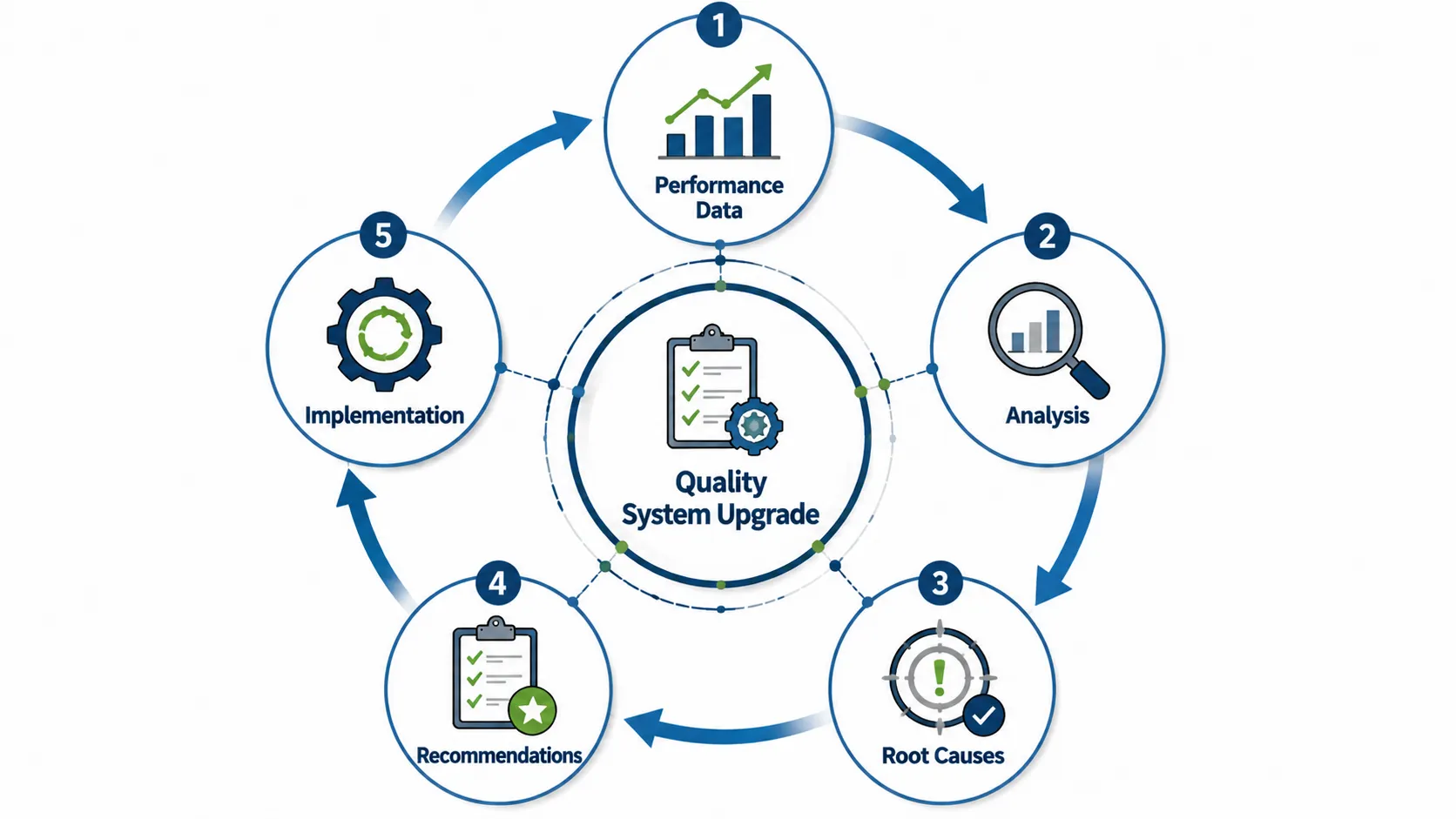
Process for Formulating Evidence-Based Recommendations
Step 1: Evaluate Current Quality System Performance
The first stage involves reviewing the effectiveness of existing quality processes.
Evaluation areas include:
- Document control effectiveness.
- Inspection performance.
- Testing procedures.
- Audit results.
- Supplier quality performance.
- Corrective action management.
- Training effectiveness.
The purpose is to identify areas where the current system does not fully achieve quality objectives.
Step 2: Analyse Performance Data
Quality performance information must be carefully analysed to identify trends and weaknesses.
Analysis may include:
- Reviewing NCR patterns.
- Comparing inspection results.
- Evaluating failure rates.
- Measuring KPI performance.
- Assessing corrective action completion.
Examples of useful quality indicators include:
- Percentage of first-time inspection approvals.
- Number of recurring defects.
- Average corrective action closure time.
- Audit compliance percentage.
- Supplier rejection rate.
Step 3: Identify Improvement Opportunities
After analysing performance information, organisations identify specific areas requiring improvement.
Potential improvement opportunities include:
- Inefficient documentation workflows.
- Weak inspection processes.
- Limited digital system integration.
- Poor communication between teams.
- Inadequate supplier controls.
- Insufficient competency management.
Each opportunity should be linked to supporting evidence.
Step 4: Develop Practical Recommendations
Recommendations should be realistic, measurable, and achievable.
Effective recommendations should define:
- The existing problem.
- Supporting evidence.
- Proposed improvement.
- Required resources.
- Expected benefits.
- Implementation timeline.
- Success measurement method.
Step 5: Implement and Monitor Improvements
Quality system upgrades require controlled implementation.
Implementation activities include:
- Updating procedures.
- Training personnel.
- Communicating changes.
- Revising documentation.
- Monitoring performance.
After implementation, organisations should verify whether the improvement achieved the intended results.
Areas for Upgrading Existing Electrical Quality Systems
Digital Quality Management System Enhancement
Modern electrical projects increasingly require digital solutions to manage complex quality information.
Digital QMS improvements may include:
- Electronic inspection records.
- Automated approval workflows.
- Digital NCR management.
- Real-time quality dashboards.
- Centralised document control.
- Mobile inspection applications.
Benefits include:
- Faster information access.
- Improved traceability.
- Reduced documentation errors.
- Better audit readiness.
Improving Document Control Systems
Documentation is a critical element of electrical QA/QC management.
Improvement recommendations may include:
- Implementing controlled digital document platforms.
- Strengthening revision management.
- Improving approval workflows.
- Standardising templates.
- Increasing access control.
Effective document control ensures that project teams always use accurate and approved information.
Enhancing Inspection and Testing Processes
Inspection and testing activities provide essential evidence of electrical quality performance.
Possible improvements include:
- Introducing risk-based inspection planning.
- Increasing inspection hold points for critical activities.
- Improving test record management.
- Standardising inspection checklists.
- Using digital data capture methods.
These improvements increase reliability and reduce missed quality issues.
Table 1: Evidence-Based Quality System Improvement Recommendations
| Improvement Area | Evidence Source | Recommended Upgrade | Expected Benefit |
|---|---|---|---|
| Document Control | Audit findings and revision errors | Implement advanced digital document management | Improved accuracy and traceability |
| Inspection Process | NCR trends and inspection failures | Introduce risk-based inspection planning | Reduced defects and rework |
| Testing Management | Testing failures and commissioning delays | Improve testing procedures and record control | Increased system reliability |
| Supplier Quality | Material rejection records | Strengthen supplier evaluation processes | Improved material compliance |
| Training Management | Repeated workmanship issues | Develop competency improvement programmes | Enhanced workforce capability |
Practical Example: Improving Electrical QA/QC System Performance
A large commercial electrical installation project experienced repeated quality issues during final inspection and commissioning. Performance reviews showed:
- Increased NCR numbers.
- Delayed corrective actions.
- Missing inspection records.
- Repeated documentation errors.
- Poor communication between contractors.
The QA/QC team analysed project performance data and identified that the existing manual quality reporting process was creating delays and information gaps.
Based on evidence collected, several recommendations were developed:
- Introduce a digital QMS platform.
- Replace paper inspection forms with electronic records.
- Implement automated NCR tracking.
- Establish weekly quality performance reviews.
- Introduce standardised inspection templates.
- Provide contractor training on updated procedures.
Following implementation:
- Inspection reporting became faster.
- Document accuracy improved.
- NCR closure times reduced.
- Audit preparation became more efficient.
- Communication between project teams improved.
This demonstrates how evidence-based recommendations can transform existing quality systems and improve project outcomes.
Key Benefits of Evidence-Based Quality System Upgrades
Effective quality system improvement provides significant advantages, including:
- Improved electrical project reliability.
- Reduced construction defects.
- Lower rework costs.
- Faster problem identification.
- Stronger regulatory compliance.
- Better audit performance.
- Improved stakeholder confidence.
- Enhanced supplier management.
- Increased operational efficiency.
- Improved documentation accuracy.
- Better risk control.
- Stronger continual improvement culture.
Challenges in Implementing Quality System Improvements
Resistance to Change
Employees and contractors may resist new processes or digital systems.
Solutions include:
- Providing training.
- Explaining improvement benefits.
- Involving users during implementation.
Limited Resources
Quality upgrades may require additional investment.
Solutions include:
- Prioritising high-impact improvements.
- Using risk-based planning.
- Demonstrating long-term benefits.
Poor Quality Data
Weak data quality can affect recommendation accuracy.
Solutions include:
- Improving data collection procedures.
- Standardising reporting formats.
- Conducting regular data reviews.
Best Practices for Developing Quality Improvement Recommendations
Effective organisations follow these practices:
- Use verified performance data.
- Focus on root causes rather than symptoms.
- Prioritise improvements based on risk.
- Involve technical stakeholders.
- Establish measurable objectives.
- Monitor improvement effectiveness.
- Document lessons learned.
- Update procedures after successful improvements.
- Encourage continuous improvement culture.
Conclusion
Formulating evidence-based recommendations is essential for upgrading and improving existing electrical quality systems. Effective improvements are not based on assumptions but on detailed analysis of performance data, quality records, audit findings, risk assessments, and operational feedback.
By applying structured improvement processes, organisations can identify weaknesses, develop practical solutions, and strengthen their QA/QC frameworks. Improvements in digital documentation, inspection processes, testing management, supplier controls, and competency development contribute to safer, more reliable, and more efficient electrical engineering projects.
A proactive approach to quality system improvement ensures that electrical QA/QC processes continue to evolve, supporting compliance, operational excellence, and long-term asset reliability.
4. Develop a Clear Action Plan to Implement These Recommendations Within an Electrical Engineering Workplace
Implementing quality system improvement recommendations within an electrical engineering workplace requires a structured, controlled, and practical action plan. Developing recommendations based on performance data, root cause analysis, and quality system evaluation is only the first stage of improvement. The real value of quality management enhancement is achieved when these recommendations are transformed into clearly defined actions, assigned responsibilities, measurable objectives, and controlled implementation processes.
In complex electrical engineering environments, quality improvements often involve multiple departments, including engineering design, procurement, construction, installation teams, testing and commissioning personnel, suppliers, contractors, and project management teams. Therefore, an effective action plan must consider technical requirements, organisational resources, operational constraints, regulatory obligations, and stakeholder expectations.
A well-developed implementation plan provides a roadmap for introducing improvements while minimising disruption to ongoing electrical engineering activities. It ensures that quality system upgrades are introduced systematically, monitored effectively, and evaluated against measurable performance outcomes.
Within electrical QA/QC environments, action planning supports the transition from identifying quality weaknesses to achieving sustainable improvements. It enables organisations to strengthen inspection processes, improve documentation control, enhance testing procedures, develop workforce competency, and establish stronger continual improvement practices.
Understanding an Action Plan for Quality System Implementation
Definition of an Implementation Action Plan
An implementation action plan is a structured document that defines the activities, responsibilities, resources, timelines, and performance measures required to successfully introduce recommended improvements within an organisation.
In electrical engineering QA/QC environments, an action plan translates improvement recommendations into practical steps that can be implemented and monitored.
A quality improvement action plan normally identifies:
- The specific quality issue requiring improvement.
- The recommended solution.
- Responsible personnel.
- Required resources.
- Implementation timeline.
- Expected outcomes.
- Monitoring methods.
- Success indicators.
A clear action plan ensures that improvement initiatives are not treated as general objectives but become controlled engineering activities with measurable results.
Importance of Developing a Clear Implementation Plan
Ensuring Controlled Quality Improvement
Quality system changes can affect existing project processes, documentation methods, inspection procedures, and workforce responsibilities. Without proper planning, improvements may create confusion or introduce new risks.
A structured action plan helps organisations:
- Maintain control during system changes.
- Prevent disruption to project activities.
- Coordinate different departments.
- Establish clear implementation responsibilities.
- Monitor improvement progress.
Improving Accountability and Ownership
Successful quality improvements require clear responsibility allocation. When ownership is unclear, recommendations may not be implemented effectively.
An effective action plan defines:
- Who is responsible for implementation.
- Who approves changes.
- Who monitors progress.
- Who verifies effectiveness.
Clear accountability encourages timely completion and improves organisational commitment.
Supporting Continual Improvement
Quality management systems require continuous evaluation and enhancement. An action plan creates a structured method for transforming lessons learned and performance data into practical improvements.
Continual improvement activities may include:
- Updating quality procedures.
- Improving inspection methods.
- Enhancing digital systems.
- Strengthening training programmes.
- Improving supplier controls.
Key Elements of an Electrical QA/QC Improvement Action Plan
Defining Improvement Objectives
The first step in developing an action plan is establishing clear improvement objectives.
Objectives should be:
- Specific.
- Measurable.
- Achievable.
- Relevant.
- Time-bound.
For example:
A weak objective:
“Improve inspection quality.”
A stronger objective:
“Reduce electrical installation-related NCRs by 30% within six months through improved inspection procedures and technician competency training.”
Clear objectives allow organisations to measure improvement success.
Identifying Required Actions
Each recommendation must be converted into specific implementation activities.
Examples include:
- Revising inspection checklists.
- Updating quality procedures.
- Implementing digital reporting systems.
- Conducting employee training.
- Increasing inspection frequency.
- Improving supplier evaluation methods.
Actions should clearly describe what needs to be completed and how the improvement will be achieved.
Assigning Roles and Responsibilities
Successful implementation requires involvement from different stakeholders.
Typical responsibilities include:
QA/QC Manager
Responsible for:
- Managing improvement implementation.
- Monitoring quality performance.
- Approving revised procedures.
- Reviewing effectiveness.
Electrical Engineers
Responsible for:
- Providing technical input.
- Reviewing engineering requirements.
- Supporting process improvements.
Site Supervisors
Responsible for:
- Ensuring field implementation.
- Monitoring workmanship.
- Supporting workforce compliance.
Contractors and Suppliers
Responsible for:
- Following updated requirements.
- Providing required documentation.
- Maintaining quality standards.
Clear role allocation prevents delays and improves coordination.
Implementation Process for Quality System Recommendations
Step 1: Review and Prioritise Recommendations
Before implementation begins, recommendations should be evaluated according to importance, urgency, and potential impact.
Prioritisation factors include:
- Safety implications.
- Regulatory requirements.
- Project impact.
- Cost implications.
- Frequency of quality issues.
- Improvement benefits.
High-priority recommendations should be implemented first.
Examples:
High priority:
- Improving protection system testing procedures.
- Correcting repeated safety-related defects.
- Strengthening document control.
Lower priority:
- Improving non-critical reporting formats.
- Minor administrative adjustments.
Step 2: Develop an Implementation Schedule
A realistic timeline ensures that improvements are introduced without negatively affecting ongoing engineering activities.
The schedule should define:
- Start date.
- Completion date.
- Key milestones.
- Responsible personnel.
- Review points.
Example activities:
- Week 1–2: Review existing procedures.
- Week 3–4: Develop updated documentation.
- Week 5: Conduct workforce training.
- Week 6 onwards: Monitor implementation effectiveness.
Step 3: Allocate Resources
Quality improvements require appropriate resources to achieve successful implementation.
Resources may include:
Human Resources
- QA/QC engineers.
- Electrical engineers.
- Supervisors.
- Training specialists.
- Technical specialists.
Technical Resources
- Digital quality management systems.
- Testing equipment.
- Inspection tools.
- Engineering software.
Financial Resources
- Training costs.
- Software investment.
- Additional inspection requirements.
- Consultancy support.
Effective resource planning prevents implementation delays.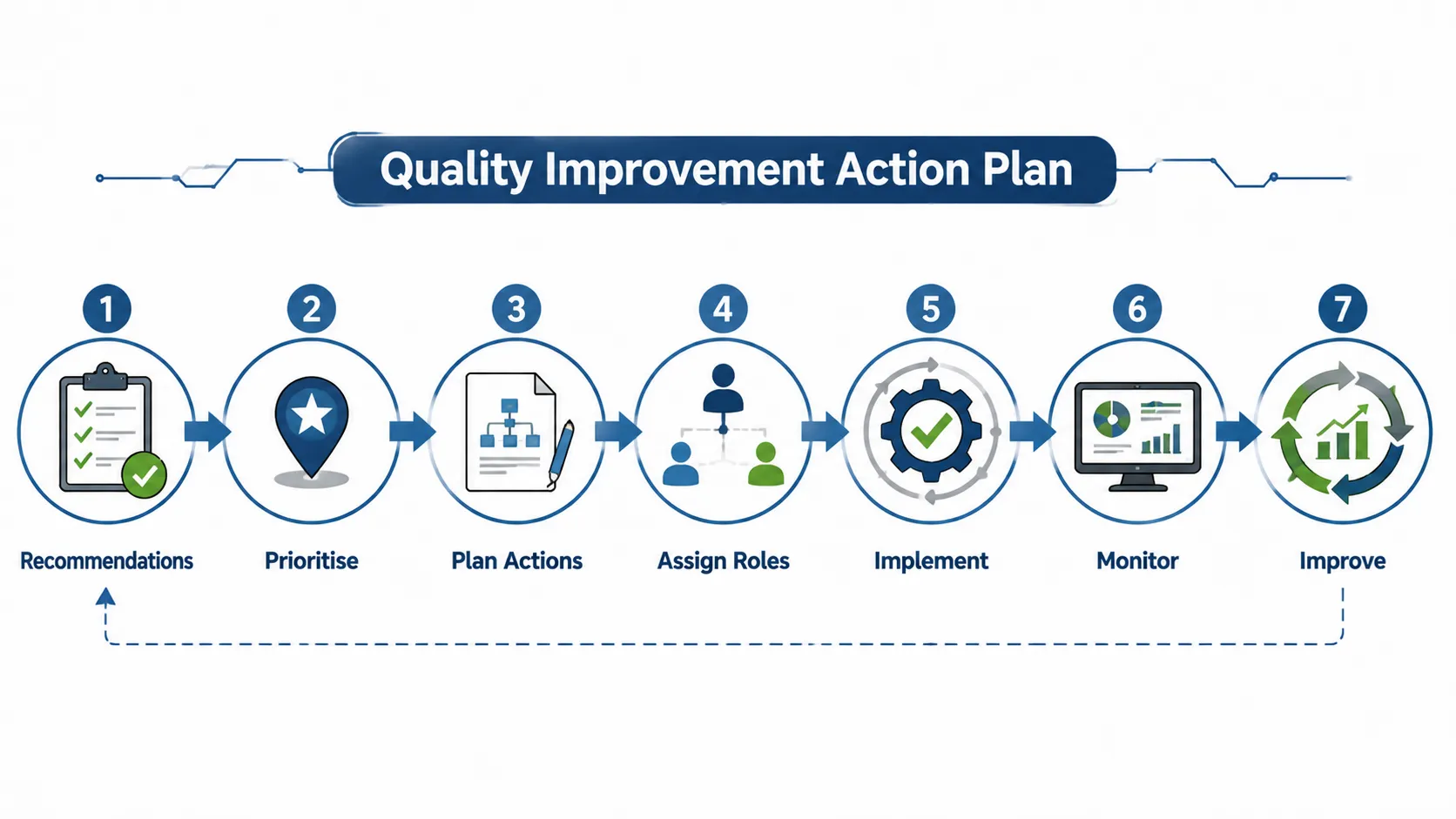
Table 1: Key Components of an Electrical QA/QC Improvement Action Plan
| Action Plan Component | Definition | Practical Application | Expected Outcome |
|---|---|---|---|
| Improvement Objective | A measurable goal defining the required quality improvement | Reducing repeated electrical installation defects | Clear improvement direction |
| Action Activity | Specific task required to achieve improvement | Updating inspection procedures | Controlled implementation |
| Responsibility Assignment | Identification of personnel responsible for completion | QA/QC manager monitoring progress | Improved accountability |
| Timeline | Planned duration for implementation activities | Six-month improvement programme | Effective progress control |
| Performance Measure | Indicator used to evaluate success | Reduction in NCR frequency | Evidence of improvement |
Managing Change During Quality System Improvements
Importance of Change Management
Introducing improvements often requires changes to existing processes, documentation systems, and working practices. Poorly managed changes can create resistance, confusion, or non-compliance.
Effective change management ensures that:
- Employees understand the reason for changes.
- Updated procedures are communicated.
- Training is provided.
- New processes are monitored.
- Feedback is collected.
Communication Strategy
Clear communication is essential when implementing quality system improvements.
Communication methods may include:
- Quality meetings.
- Toolbox talks.
- Training sessions.
- Digital notifications.
- Procedure briefings.
- Management reviews.
Effective communication ensures that all stakeholders understand their responsibilities.
Practical Workplace Example
A large electrical construction project identifies repeated quality issues related to inspection documentation. Quality reviews show that inspection records are often incomplete, causing delays during audits and commissioning activities.
Based on performance analysis, the organisation recommends introducing a digital inspection management system.
A clear implementation action plan is developed:
- The QA/QC manager is assigned responsibility for implementation.
- Existing inspection forms are reviewed.
- Digital templates are created.
- Inspectors receive training.
- Contractors are informed of updated requirements.
- Performance is monitored through monthly quality reviews.
After implementation:
- Inspection records become more accurate.
- Document retrieval becomes faster.
- Audit preparation improves.
- Communication between project teams becomes more effective.
This example demonstrates how structured action planning converts a quality improvement recommendation into measurable workplace improvement.
Monitoring, Evaluating, and Sustaining Quality System Improvement Actions
Developing an action plan is an essential step in implementing quality system improvements, but successful implementation depends on continuous monitoring, evaluation, and control. In electrical engineering workplaces, quality improvements must be verified to ensure that recommended changes are achieving the intended outcomes and delivering measurable benefits.
A quality improvement initiative should not be considered complete when new procedures are introduced or corrective actions are implemented. Organisations must evaluate whether the improvements have reduced quality inefficiencies, improved compliance, enhanced productivity, and strengthened the overall Quality Assurance and Quality Control (QA/QC) system.
Effective monitoring ensures that improvement activities remain aligned with project objectives, regulatory requirements, client expectations, and organisational quality policies. Through structured performance reviews, data analysis, audits, and feedback mechanisms, organisations can confirm whether implemented recommendations are effective and identify additional opportunities for improvement.
Monitoring Implementation Progress
Establishing Performance Monitoring Methods
Monitoring provides visibility into whether improvement activities are progressing according to the approved action plan. A structured monitoring system allows quality teams to identify delays, resource limitations, and implementation challenges at an early stage.
Monitoring methods may include:
- Regular QA/QC progress meetings.
- Quality performance dashboards.
- Internal audits.
- Inspection reviews.
- KPI monitoring.
- Corrective action tracking.
- Management review meetings.
These methods provide evidence that improvement activities are being implemented correctly and consistently.
Using Key Performance Indicators (KPIs)
Key Performance Indicators are measurable values used to evaluate whether quality improvements are achieving their intended objectives.
Electrical QA/QC improvement KPIs may include:
- Reduction in Non-Conformance Reports (NCRs).
- Improvement in first-time inspection acceptance rates.
- Reduction in rework activities.
- Faster corrective action closure.
- Improved audit compliance scores.
- Reduced testing failures.
- Improved supplier performance ratings.
- Increased documentation accuracy.
KPIs should be reviewed regularly to determine whether the implemented recommendations are producing measurable improvement.
Evaluating Effectiveness of Implemented Recommendations
Importance of Effectiveness Evaluation
An improvement action is only successful if it produces the expected results. Evaluation determines whether the implemented changes have solved the original quality problem or whether additional improvements are required.
Effectiveness evaluation considers:
- Did the quality issue reduce?
- Did the process become more efficient?
- Were risks reduced?
- Did compliance improve?
- Are employees following the updated procedures?
- Are improvements sustainable?
Methods for Evaluating Quality Improvements
Internal Quality Audits
Internal audits provide an independent assessment of whether improved processes are operating effectively.
Audits can evaluate:
- Procedure compliance.
- Documentation accuracy.
- Inspection effectiveness.
- Training implementation.
- Corrective action performance.
Audit results provide valuable evidence for further improvement decisions.
Performance Data Comparison
Comparing performance data before and after implementation helps determine improvement effectiveness.
Examples include:
Before improvement:
- High frequency of cable installation defects.
- Slow NCR closure.
- Incomplete inspection records.
After improvement:
- Reduced installation failures.
- Faster corrective action completion.
- Improved documentation quality.
This comparison provides measurable evidence of improvement success.
Employee and Stakeholder Feedback
Feedback from engineers, supervisors, contractors, and clients provides practical insight into how improvements perform in real workplace conditions.
Feedback can identify:
- Practical difficulties.
- Training requirements.
- Process limitations.
- Additional improvement opportunities.
Risk Management During Implementation
Identifying Implementation Risks
Quality system improvements may introduce new challenges if they are not properly managed.
Potential risks include:
- Resistance from employees.
- Lack of technical skills.
- Insufficient resources.
- Poor communication.
- Delayed implementation.
- Incorrect application of revised procedures.
Risk identification should be completed before implementation begins.
Developing Risk Mitigation Strategies
Effective mitigation strategies include:
- Providing appropriate training.
- Communicating changes clearly.
- Assigning responsible personnel.
- Monitoring implementation progress.
- Reviewing effectiveness regularly.
A proactive risk management approach ensures that quality improvements strengthen rather than disrupt existing systems.
Change Management in Electrical Engineering Workplaces
Managing Organisational Change
Quality system improvements often require changes to established working practices. Employees and contractors may require support to adopt new procedures, technologies, or reporting methods.
Effective change management includes:
- Explaining the purpose of the improvement.
- Providing technical guidance.
- Delivering competency training.
- Encouraging feedback.
- Monitoring adoption.
Successful change management improves acceptance and ensures long-term sustainability.
Training and Competency Development
Many quality inefficiencies are linked to knowledge gaps or inconsistent working practices. Training ensures that personnel understand updated requirements.
Training activities may include:
- New procedure awareness sessions.
- Digital QMS training.
- Inspection method training.
- Testing procedure updates.
- Document control training.
Competent personnel are essential for maintaining improved quality performance.
Maintaining Continual Improvement
Integrating Improvements into Quality Management Systems
Once improvements demonstrate effectiveness, they should become part of normal organisational processes.
Integration activities include:
- Updating quality manuals.
- Revising procedures.
- Improving inspection checklists.
- Updating training materials.
- Recording lessons learned.
This prevents organisations from returning to previous ineffective practices.
Lessons Learned Management
Lessons learned provide valuable information for future projects.
Lessons may include:
- Successful improvement strategies.
- Common quality failures.
- Effective corrective actions.
- Process improvement opportunities.
Sharing lessons learned improves organisational knowledge and future project performance.
Advanced Digital Tools Supporting Quality Improvement
Modern electrical engineering projects increasingly use digital technologies to improve quality system effectiveness.
Digital improvement solutions include:
Electronic Quality Management Systems (eQMS)
eQMS platforms support:
- Digital inspection records.
- Automated workflows.
- Document control.
- NCR management.
- Quality reporting.
Benefits include:
- Improved traceability.
- Faster information access.
- Reduced documentation errors.
Data Analytics and Quality Dashboards
Advanced analytics help organisations identify trends and predict potential quality issues.
Applications include:
- Monitoring defect patterns.
- Analysing contractor performance.
- Predicting failure risks.
- Measuring improvement outcomes.
Data-driven monitoring supports proactive quality management.
Detailed Case Study: Implementing a Quality Improvement Action Plan
A major renewable energy electrical installation project experienced repeated quality problems during installation and commissioning activities. The project team identified:
- Increased cable termination failures.
- Delayed inspection approvals.
- Incomplete quality records.
- Repeated contractor workmanship issues.
A detailed investigation determined that the existing quality system required improvement.
The organisation developed an action plan including:
- Improved inspection procedures.
- Digital quality reporting implementation.
- Additional technician training.
- Enhanced contractor monitoring.
- Revised quality performance indicators.
Implementation activities included:
- Assigning QA/QC management responsibility.
- Developing new inspection templates.
- Training site personnel.
- Introducing weekly quality performance reviews.
- Monitoring KPI performance.
After six months, evaluation showed:
- Significant reduction in NCR frequency.
- Improved inspection acceptance rates.
- Faster approval processes.
- Better audit outcomes.
- Improved client confidence.
The organisation incorporated successful improvements into future project quality plans, demonstrating effective continual improvement.
Key Benefits of Implementing a Structured Quality Improvement Action Plan
A properly implemented action plan provides significant benefits, including:
- Improved electrical system reliability.
- Reduced project delays.
- Lower rework costs.
- Enhanced compliance performance.
- Better documentation control.
- Improved inspection effectiveness.
- Stronger contractor management.
- Increased workforce competency.
- Improved audit readiness.
- Better stakeholder confidence.
- More effective risk management.
- Continuous organisational improvement.
Best Practices for Successful Implementation
Organisations should follow several best practices when implementing quality system improvements:
- Base recommendations on verified performance evidence.
- Establish clear objectives and responsibilities.
- Use measurable improvement indicators.
- Communicate changes effectively.
- Provide appropriate training.
- Monitor implementation progress.
- Review performance regularly.
- Address risks proactively.
- Document lessons learned.
- Integrate successful improvements into future processes.
Conclusion
Developing a clear action plan is essential for successfully implementing quality system improvements within an electrical engineering workplace. Effective implementation requires more than identifying problems and recommending solutions; it requires structured planning, defined responsibilities, appropriate resources, controlled change management, and continuous performance evaluation.
By establishing measurable objectives, monitoring progress, evaluating effectiveness, managing risks, and integrating successful improvements into quality management systems, organisations can achieve sustainable enhancement of their QA/QC processes.
A well-managed improvement action plan strengthens electrical engineering quality systems by reducing inefficiencies, improving compliance, enhancing reliability, and supporting continual improvement throughout the project lifecycle. This structured approach enables organisations to deliver safer, more efficient, and higher-quality electrical engineering outcomes while maintaining strong stakeholder confidence.